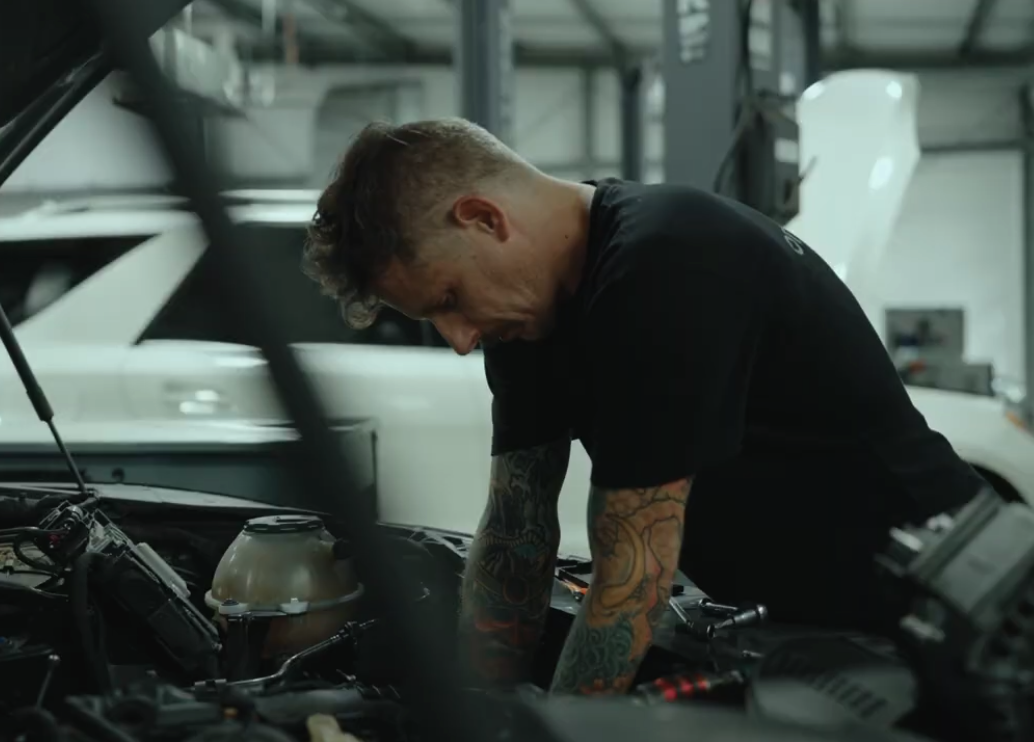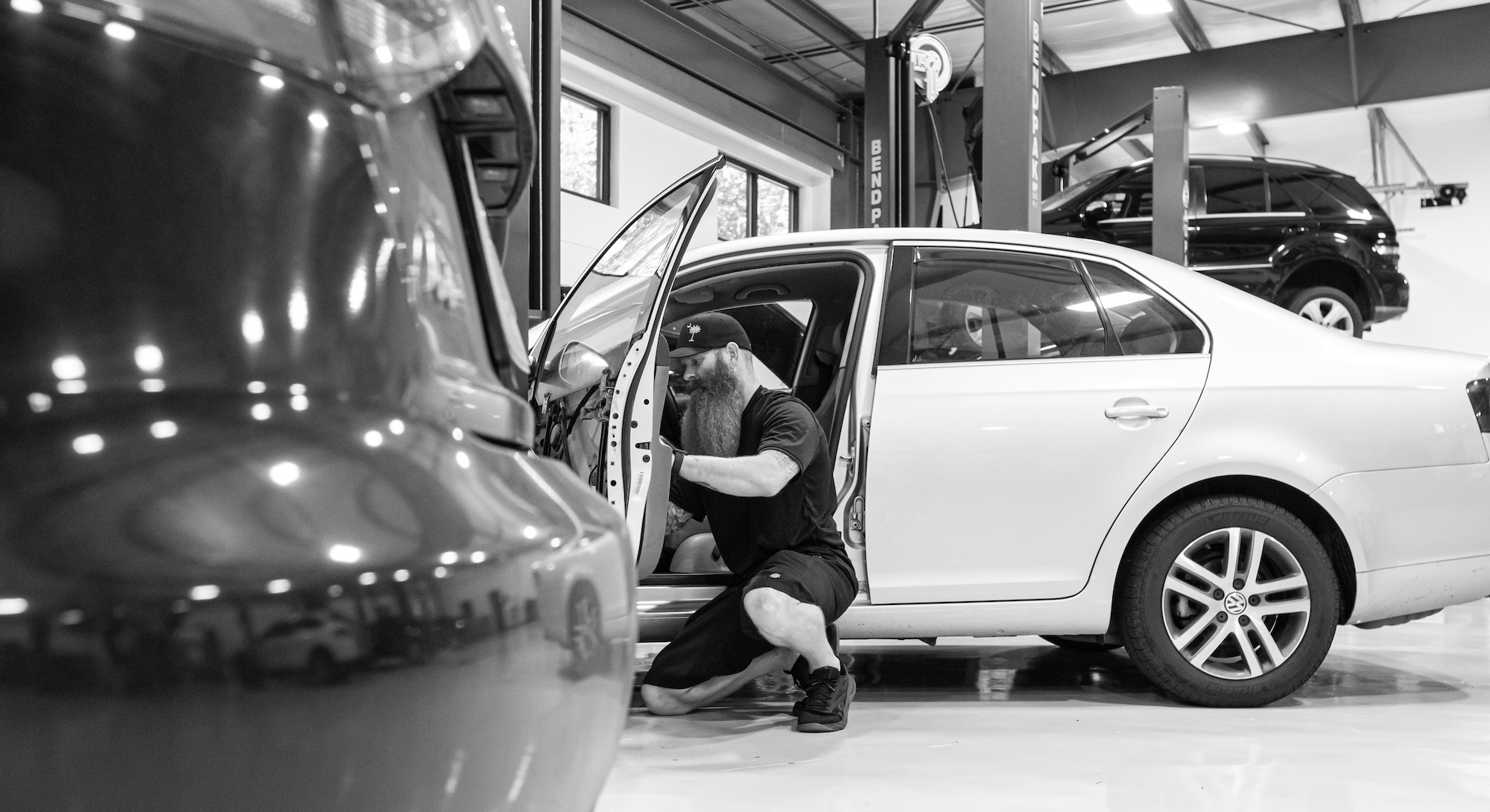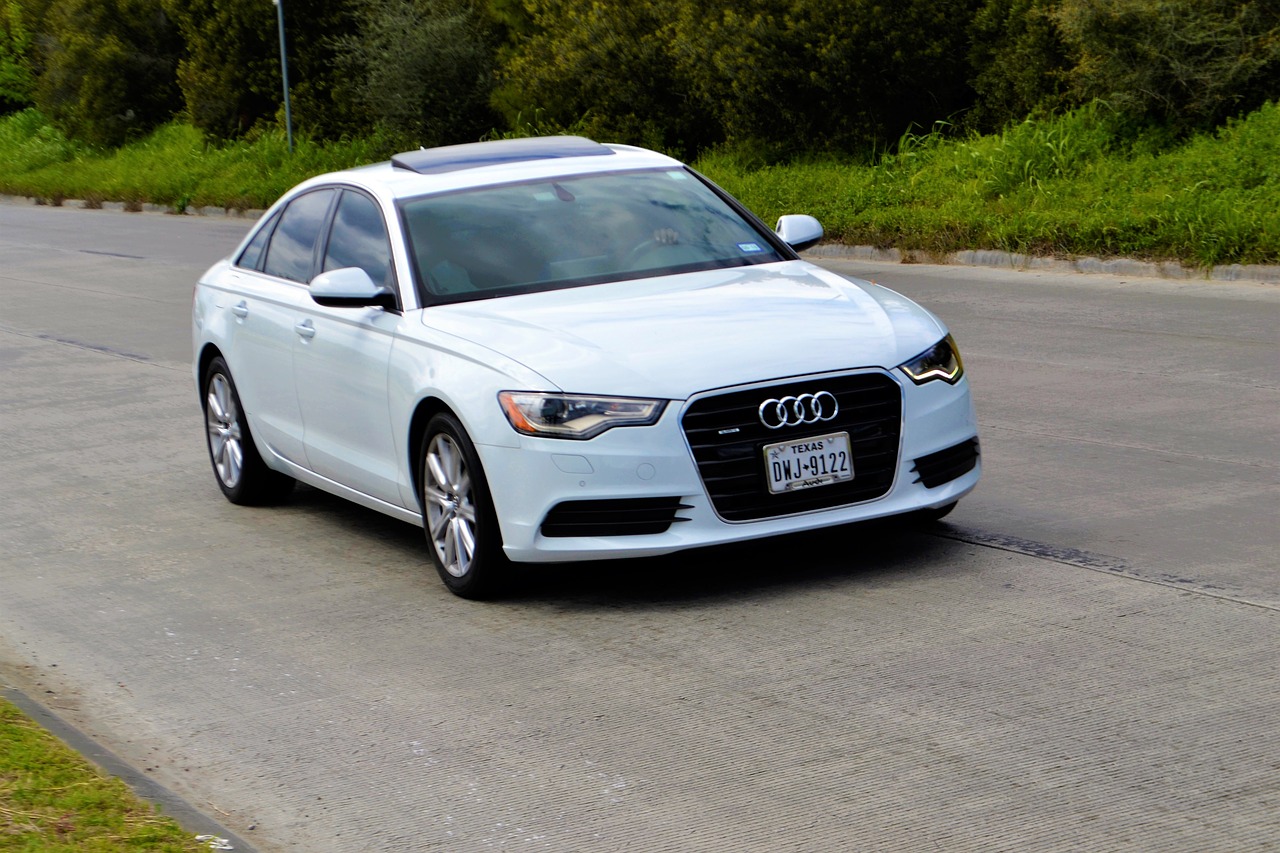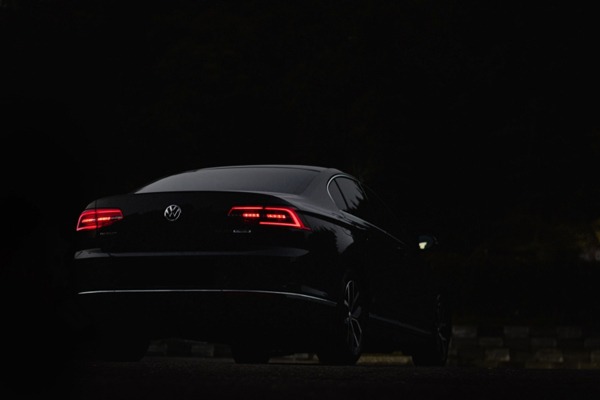
Before buying a used BMW, Mercedes, Audi, Porsche, or Volkswagen, you should always get a comprehensive pre-purchase inspection (PPI) by an independent European car specialist with deep German auto repair experience. This is essential for uncovering hidden problems, preventing costly surprises, and ensuring your dream car doesn’t become a financial headache.
Why Is a Specialized Pre-Purchase Inspection So Important?
German luxury vehicles are engineered for performance, comfort, and technology—but their complexity means that even minor issues can go unnoticed without the right tools and expertise. A German auto repair shop uses specialized diagnostic equipment and factory-level procedures to spot problems that generic mechanics or quick-lube shops will miss.
At Ottohaus of Charleston, we see many cases where a thorough inspection could have saved a buyer thousands in future repairs.
What Should Be Scanned and Tested Electronically?
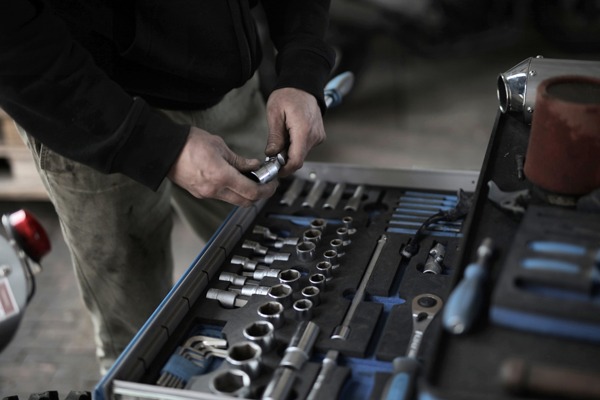
Modern German vehicles are rolling computers. A PPI should always start with a full diagnostic scan using genuine factory tools—ISTA for BMW, XENTRY for Mercedes, PIWIS for Porsche, and similar for Audi and Volkswagen. These advanced scanners check every module for active and shadow faults, not just the basic engine codes a generic reader catches.
- Cleared codes: Sometimes, sellers clear trouble codes before a sale. An experienced German auto repair technician can spot recently cleared codes and identify faults that might not trigger a dashboard warning—yet.
- Module matching: Your inspector should verify that the Vehicle Identification Numbers (VINs) and part numbers stored in the electronics match those on the physical vehicle and its build sheet. Mismatches can reveal swapped modules, hidden accident repairs, or odometer fraud.
What Should Be Checked Underneath and in the Engine Bay?
A true German auto repair inspection means seeing the car from below—where many issues hide. Here’s what to look for:
- Fluid leaks: Inspect for oil and coolant leaks at gaskets, valve covers, oil pans, and rear main seals. Even minor leaks can signal expensive repairs down the road.
- Brand-specific flaws: Each German brand has its own weaknesses. For example, Porsche engines might suffer from bore scoring; BMW turbos can develop wastegate rattles; timing chains can stretch or wear. Only a German auto repair expert knows how and where to check for these model-specific problems.
- Direct-injection carbon: Modern German cars often use direct fuel injection, which can cause heavy carbon buildup on intake valves. A borescope inspection is the gold standard for spotting this hidden issue.
- Rust and frame damage: Lifting the car allows your technician to check subframes, brake lines, and lower body panels for rust, especially if the car lived in snowy or coastal regions. Evidence of accident repairs or poor rustproofing should be a dealbreaker.
What About Brakes, Tires, and Suspension?
Safety and ride quality depend on these critical components. During a German auto repair PPI, your technician should:
- Measure brake pad and rotor thickness against factory specs.
- Inspect tires for tread depth, uneven wear (which can indicate alignment or suspension issues), and age (date codes). Old, cracked tires are a safety hazard.
- Examine all suspension components: torn bushings, worn control arms, leaking air-suspension struts, and loose ball joints are common in older or high-mileage German cars.
What Documentation and History Should I Review?
Never skip the paperwork. A well-documented service history is a strong sign of a well-maintained German vehicle. Look for:
- Consistent oil changes, brake services, and major fluid replacements.
- A clean Vehicle History Report showing clear title status and no major collisions.
- Signs of water or sun damage: Check spare tire wells for silt (flooding) and seat rails for rust.
How Does Ottohaus of Charleston Excel at German Auto Repair Inspections?
Ottohaus of Charleston is Charleston’s independent German auto repair specialist. Our certified technicians use the latest factory diagnostic systems and have decades of experience inspecting BMW, Mercedes, Audi, Porsche, and Volkswagen vehicles. We know the brand-specific weaknesses and the telltale signs of hidden damage.
Our inspections are thorough, honest, and designed to give you all the facts before you buy. We never rush or cut corners, and we believe in empowering buyers with clear, actionable information—not just a checklist. Our team is passionate about German engineering and dedicated to preserving your investment.
FAQs: German Auto Repair and Pre-Purchase Inspections
What’s the biggest mistake buyers make?
Skipping a professional German auto repair inspection. It’s the most important step in protecting your wallet and your safety.
Do all shops do the same inspection?
No. Only a specialist with genuine factory tools and experience in German auto repair can catch the issues unique to these brands.
Are electronic scans really necessary?
Absolutely. Modern German cars store ‘hidden’ faults you can’t see with basic scanners. Only factory-level diagnostics catch them.
Why do service records matter so much?
A complete service history shows care and prevents surprises. Gaps in maintenance are often a red flag for costly problems.
How long does a PPI take at Ottohaus?
We typically complete an inspection in a few hours, providing a detailed report and honest feedback.
Get the Facts Before You Buy
A used BMW, Mercedes, Audi, Porsche, or Volkswagen can bring years of driving enjoyment—but only if you know what you’re buying. Insist on a pre-purchase inspection from a German auto repair expert who uses the right tools and knows the details that matter.
Before you buy a used German vehicle in Charleston, contact Ottohaus of Charleston. Our team will protect your investment, give you the confidence you need, and ensure you get the luxury and performance you expect from these world-class cars.