If you see a warning light on your Volkswagen’s dashboard, whether you can keep driving depends entirely on the light’s color and behavior. Knowing the difference can save you from costly repairs and help you stay safe on the road. For peace of mind, it’s always best to consult a trusted VW mechanic as soon as possible.
What Do Different VW Warning Lights Mean?
Volkswagens are equipped with a sophisticated system of dashboard lights designed to keep you informed about your car’s health. These lights come in three primary colors—red, yellow (or amber), and green/blue—and each signals a different level of urgency.
Red Warning Lights: Stop Immediately
A red warning light on your VW’s dashboard means you should stop driving immediately and pull over safely. These signals indicate a serious failure or a direct threat to your safety.
Common red lights include:
- Engine oil pressure warning: Driving with low oil pressure can destroy your engine in minutes.
- Coolant temperature warning: Overheating can cause catastrophic engine damage.
- Brake system alert: This could mean the brake fluid is low or there’s a risk of total brake failure.
If you see a red light, do not ignore it. Continuing to drive could lead to engine failure, loss of braking, or even put you and your passengers at risk. Call a VW mechanic or arrange for a tow to your nearest repair shop immediately.
Yellow or Amber Warning Lights: Use Caution
Yellow or amber warning lights mean something needs attention soon, but you’re not in immediate danger. These lights include:
- Solid check engine light: The car has detected a problem, but it may not be urgent. Schedule a service with a VW mechanic soon to diagnose the issue.
- Tire Pressure Monitoring System (TPMS): One or more tires may be underinflated, which can affect fuel economy and handling.
- Traction control or stability system: There may be a fault in the system, but you can often continue driving with caution.
Exception: If a yellow light is flashing, such as a flashing check engine or glow plug light, this signals an active, severe problem—like an engine misfire. In these cases, slow down, avoid heavy acceleration, and get to a VW mechanic right away. Continuing to drive could damage your catalytic converter or other vital components.
Green or Blue Lights: No Action Needed
Green and blue indicator lights indicate normal operation, not malfunctions. Examples include:
- High beam indicator: Blue light means your high beams are on.
- Cruise control: The green light indicates the system is active.
- Turn signal indicators: These blink green to show your turn signals are working.
These are not warnings and require no special action.
Why Do Warning Lights Matter for VW Owners?
Volkswagens use advanced onboard computers and sensors to monitor a wide range of systems. Ignoring warning lights, especially red or flashing yellow ones, can lead to severe engine or brake damage, much higher VW repair bills, and even dangerous driving situations. Having a professional VW mechanic check your vehicle promptly can prevent minor faults from turning into major repairs.
How Can a VW Mechanic Help?
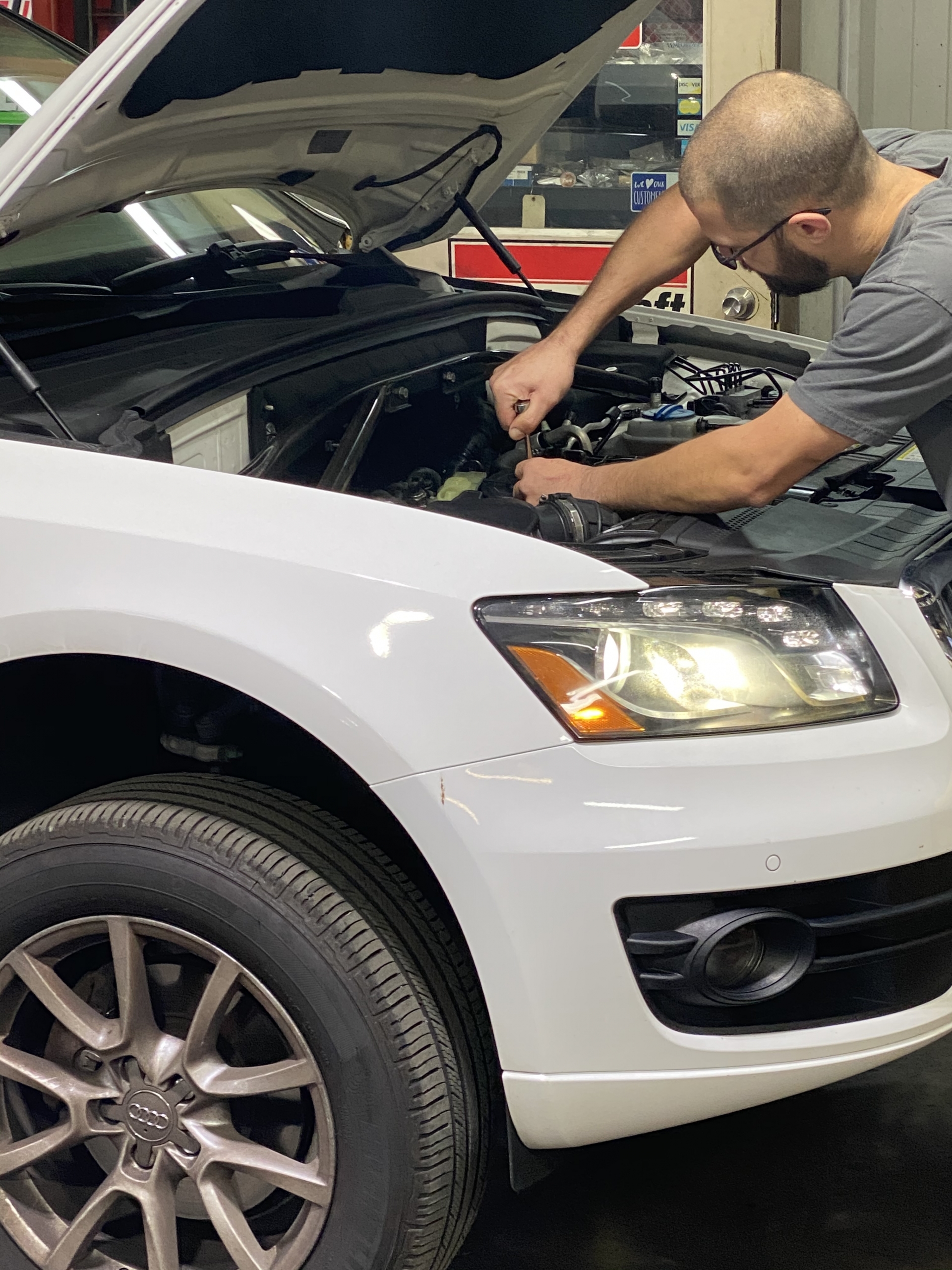
At Ottohaus of Charleston, our VW mechanics have the knowledge, experience, and the latest diagnostic equipment to quickly identify and fix any dashboard warning. We specialize in Volkswagen service, from routine maintenance to complex electrical and mechanical repairs. Our technicians use genuine VW parts and follow manufacturer procedures to ensure your car is repaired right the first time.
Whether it’s a simple tire pressure warning or a critical engine oil alert, our team communicates clearly about what the light means and what needs to be done. We pride ourselves on transparent pricing, honest recommendations, and a passion for keeping Charleston’s VWs running smoothly.
FAQs: VW Warning Lights and What to Do
Can I ignore a yellow warning light until my next oil change?
Don’t ignore it. Even if it’s not urgent, schedule a visit with a VW mechanic soon to avoid bigger, more expensive problems.
What if a red warning light comes on and then turns off?
Still have your car checked immediately. Temporary red warnings could signal intermittent but serious failures.
Is it safe to drive with a flashing check engine light?
No. A flashing check engine light means a severe misfire. Pull over safely and call a VW mechanic right away.
How can I tell if a warning light is serious?
Red means stop immediately. Flashing yellow means urgent attention is needed. Solid yellow needs service soon. Green or blue is informational only.
Don’t Ignore Your VW’s Dashboard
Your Volkswagen’s warning lights are there to protect you and your car. Always take red warnings seriously and stop driving immediately. Use caution with yellow or amber lights, and have your car checked soon. For any dashboard light, consulting a VW mechanic ensures you get the right diagnosis and avoid costly repairs.
If you see a warning light on your VW in Charleston, contact Ottohaus of Charleston. Our expert VW mechanics are ready to help you stay safe, informed, and confidently back on the road.