If you’re considering buying a used German vehicle, the most important thing to know is that proper maintenance with an expert German auto repair shop is essential to enjoying its performance and longevity. German vehicles are renowned for their engineering, but that same precision means you need to be proactive, informed, and connected with qualified specialists from the moment you start shopping.
Why Are German Vehicles Different—and How Does That Affect My Purchase?
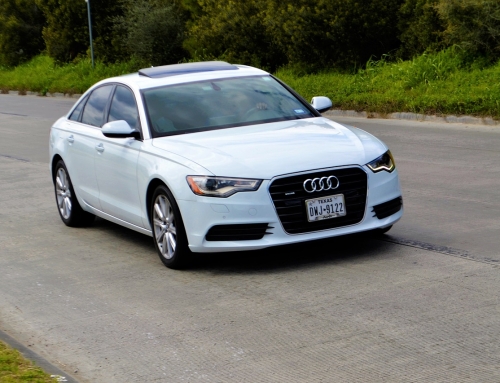
German automakers—BMW, Mercedes-Benz, Audi, Porsche, and Volkswagen—set themselves apart with meticulous craftsmanship, advanced technology, and superior driving dynamics. While these factors make used German vehicles appealing, they also mean that cutting corners on maintenance or repairs can lead to larger problems down the road.
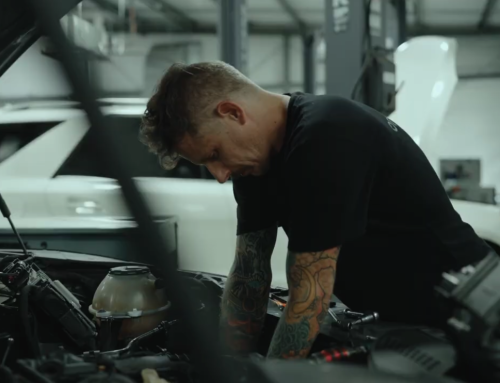
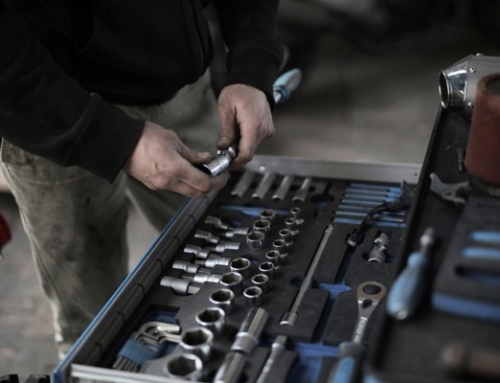
Unlike some domestic or Asian vehicles, German cars require specialized tools, diagnostic equipment, and technical know-how. That’s why partnering with a shop experienced in German auto repair is so important, both before and after you buy.
What Maintenance and Repair Needs Should I Expect?
German vehicles have a well-earned reputation for durability and luxury, but they’re also known for unique service needs. Routine oil changes, brake service, and cooling system maintenance are non-negotiable. If you’re shopping for a used model, make sure the previous owner kept up with scheduled maintenance. Skipping factory-recommended services—even once—can accelerate wear on engine and electronic systems.
At Ottohaus of Charleston, we see firsthand how proper maintenance prevents major issues. Our German auto repair services cover everything from oil change intervals to complex electrical system diagnostics, ensuring your vehicle gets the care it was engineered for.
What Are the Most Common Mechanical Issues?
- Oil Leaks: German engines operate at high temperatures, and over time, heat cycling wears down gaskets and seals. This leads to common oil leaks in older models—something our German auto repair technicians check for during every inspection.
- Cooling System Failures: Many German cars use plastic components in their cooling systems, like hoses, water pumps, and radiators. These degrade more quickly under Charleston’s hot, humid conditions and need proactive replacement to prevent engine damage.
- Complex Electronics: German vehicles come loaded with advanced features, but their intricate wiring and control modules can develop faults. Our shop uses advanced diagnostic scanners during routine German auto repair service to catch electrical issues early, saving you from expensive future repairs.
What Are Smart Strategies for Buying a Used German Vehicle?
- Check Service History: Insist on a complete, detailed maintenance record. Any gaps—especially in fluid or filter changes—should be a dealbreaker. Well-documented service is the best indicator of how well the vehicle was cared for.
- Get a Pre-Purchase Inspection (PPI): Schedule a thorough inspection with a German auto repair specialist. General mechanics may not recognize subtle issues unique to these vehicles. A PPI will check engine health, suspension wear, transmission condition, and electronics—giving you peace of mind before you buy.
- Find a Specialist: Establish a relationship with an independent shop focused on German auto repair, rather than relying solely on dealership service departments. Specialists offer personalized service, honest pricing, and detailed knowledge that can save you money and headaches over your vehicle’s lifetime.
How Does Ottohaus of Charleston Make a Difference?
Ottohaus of Charleston is Charleston’s premier German auto repair shop. Our team exclusively services German makes and models, including BMW, Audi, Mercedes-Benz, Volkswagen, and Porsche. We’ve built our reputation on technical excellence, transparent communication, and a commitment to honest, fair pricing.
Our ASE-certified technicians use factory-level diagnostic tools and only the highest-quality parts. We offer a full suite of services—from preventative maintenance and oil changes to brake repairs, engine diagnostics, and pre-purchase inspections. Our goal is to empower our customers with information and service that extends their vehicle’s lifespan and protects their investment.
FAQs About Buying a Used German Vehicle
What’s the single most important thing to check before buying?
Always review the service history. A thorough, up-to-date record is non-negotiable for any German car purchase.
Are German vehicles expensive to repair?
German auto repair can be more costly due to advanced engineering and specialized parts, but staying on top of maintenance can mitigate major expenses.
Do I really need a pre-purchase inspection?
Yes—especially for German vehicles. A PPI by a qualified German auto repair shop can uncover hidden issues and prevent costly surprises.
Can any mechanic work on my German car?
Not all mechanics have the tools or training for German auto repair. It’s best to use a shop with proven expertise in European vehicles.
Is it better to buy from a dealer or a private seller?
Both can work, but insist on a full service record and get an independent inspection, no matter who’s selling.
Make a Smart, Confident Purchase
Buying a used German vehicle is a fantastic way to enjoy high-end engineering and driving pleasure at a lower price—but only if you approach the process with care. Prioritize vehicles with complete maintenance records, insist on a professional pre-purchase inspection, and connect with a trusted German auto repair specialist before you sign any papers.
Ready to make your next German vehicle purchase in Charleston a success? Contact Ottohaus of Charleston first. Our expert team will help you evaluate your options, protect your investment, and keep your German car running at its best for years to come.